
What Causes Psychological Trauma in a Person?
Gusti Ayu Tita P
21 September 2026
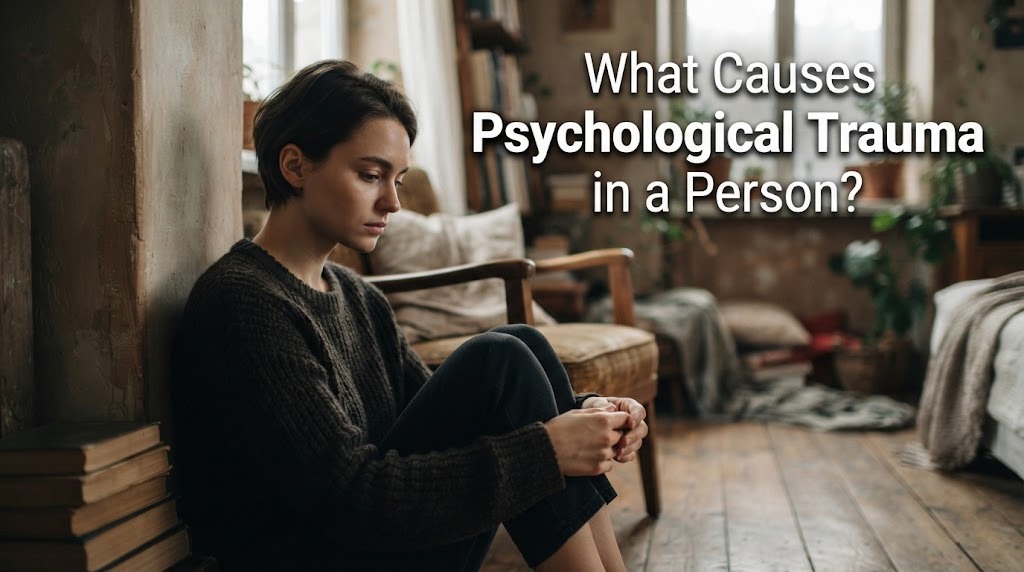
Psychological trauma is an emotional response that can occur after a person experiences or witnesses a deeply distressing or frightening event. Trauma can affect the way someone thinks, feels, behaves, and responds to situations that remind them of the event. Not everyone reacts to a difficult experience in the same way, because individual experiences and coping abilities are different. Understanding the causes of psychological trauma can help people recognize its effects and seek appropriate support.
WHAT IS PSYCHOLOGICAL TRAUMA?
Psychological trauma is a response to an event or situation that feels extremely threatening, overwhelming, or difficult to process emotionally. It can happen after a single event, such as an accident, or after repeated experiences such as abuse or bullying. Some people may recover naturally with time and support, while others may continue to experience emotional difficulties. Trauma itself does not automatically mean that a person has a mental disorder.
A traumatic experience can affect a person's sense of safety and trust. Someone may become more anxious, easily startled, emotionally numb, or uncomfortable in situations that remind them of what happened. The intensity and duration of these reactions can vary from person to person.
VIOLENCE AND ABUSE
Physical violence is one of the experiences that can contribute to psychological trauma. A person who experiences repeated physical harm may begin to feel unsafe even when there is no immediate danger. Emotional abuse can also have a serious psychological impact, especially when someone is repeatedly threatened, humiliated, controlled, or manipulated. Sexual abuse is another major source of trauma that can affect a person's sense of safety, trust, and self-worth.
The effects of abuse can become more complicated when the person is exposed to it for a long period. Children and teenagers may be particularly affected because their emotional development and understanding of relationships are still developing. Support from trusted people and qualified professionals can be important during recovery.
ACCIDENTS AND SERIOUS INJURIES
Unexpected accidents can cause psychological trauma, especially when a person believes their life or physical safety was seriously threatened. Examples include serious traffic accidents, workplace accidents, fires, or other dangerous incidents. Witnessing someone being seriously injured can also be emotionally distressing. Even when physical injuries have healed, emotional reactions may continue for some time.
A person may become afraid of driving, returning to a certain place, or doing an activity connected to the accident. Some people may experience nightmares, intrusive memories, anxiety, or increased alertness. These reactions can gradually decrease, but persistent or severe symptoms may require professional support.
NATURAL DISASTERS AND DANGEROUS EVENTS
Natural disasters such as earthquakes, floods, volcanic eruptions, and severe storms can create intense feelings of fear and helplessness. People may also experience trauma after events such as fires, violent incidents, or other situations that threaten their safety. Losing a home, belongings, or contact with loved ones can make the emotional impact even more difficult. Repeated exposure to dangerous situations may also increase psychological stress.
After a disaster, people may worry that another dangerous event will happen. They can experience difficulty sleeping, anxiety, sadness, or strong reactions to sounds and places associated with the event. Emotional recovery may take time, particularly when a person is also dealing with financial problems, displacement, or loss.
LOSS AND SUDDEN BEREAVEMENT
The death of a loved one can cause intense emotional pain, especially when the death is sudden, unexpected, or violent. Grief is a natural response to loss, but some circumstances surrounding a death can make the experience particularly overwhelming. A person may struggle with sadness, shock, anger, guilt, or feelings of emptiness. These reactions do not necessarily mean that the person has psychological trauma or a mental disorder.
Traumatic grief can become more difficult when someone witnessed the death or experienced a highly distressing situation surrounding the loss. Emotional support from family, friends, community members, or mental health professionals may help a person process the experience. Everyone has a different grieving process, so recovery should not be forced into a specific timeline.
CHILDHOOD TRAUMA
Traumatic experiences during childhood can influence emotional development and later relationships. Examples include abuse, neglect, domestic violence, bullying, abandonment, or repeatedly witnessing frightening events. Because children may have limited ability to understand or control their circumstances, these experiences can feel especially overwhelming. However, experiencing adversity in childhood does not guarantee that a person will develop long-term psychological problems.
Supportive relationships can play an important role in helping children cope with difficult experiences. A safe environment, consistent care, and access to appropriate professional support can help promote healthy development. Early attention to emotional difficulties may also reduce the risk of problems becoming more persistent.
BULLYING AND SOCIAL HUMILIATION
Bullying can become a source of psychological distress when a person is repeatedly exposed to threats, insults, physical aggression, exclusion, or humiliation. It can occur at school, in the workplace, within social groups, or through digital platforms. Cyberbullying may be especially stressful because harmful messages or content can spread widely and remain accessible. Repeated experiences can affect a person's confidence and sense of safety.
People who experience severe or prolonged bullying may become anxious about social situations. They may avoid certain places, withdraw from others, or become highly sensitive to criticism. Supportive relationships and appropriate intervention can help reduce the emotional impact and create a safer environment.
WAR, CONFLICT, AND DISPLACEMENT
Living through war or armed conflict can expose people to repeated threats, violence, injury, and loss. Witnessing destruction or losing family members can create profound emotional distress. People who are forced to leave their homes may also experience uncertainty, separation, and difficulties adapting to a new environment. These experiences can affect both children and adults.
The psychological effects may continue even after a person reaches a safer location. Memories, sounds, images, or situations that resemble the original experience can sometimes trigger strong emotional reactions. Access to safety, social support, and professional mental health care can be important parts of recovery.
MEDICAL TRAUMA AND DISTRESSING HEALTH EXPERIENCES
Serious medical conditions, major surgeries, life-threatening illnesses, or difficult medical procedures can sometimes be emotionally traumatic. A person may feel frightened or helpless when facing uncertainty about their health. Repeated hospitalization or invasive procedures may also create strong fear associated with medical environments. However, a difficult medical experience does not automatically result in psychological trauma.
People may later experience anxiety when visiting hospitals, undergoing examinations, or thinking about their previous illness. Healthcare professionals can help patients understand what is happening and provide emotional support when needed. Talking with a mental health professional may also be useful when distress continues and interferes with daily life.
HOW PSYCHOLOGICAL TRAUMA CAN AFFECT A PERSON
Psychological trauma can affect emotions, thoughts, physical reactions, and everyday behavior. Some people may experience anxiety, sadness, anger, fear, emotional numbness, or difficulty concentrating. Others may become easily startled, have sleep problems, or avoid places and activities connected with the experience. These reactions can be temporary or may continue for a longer period.
The effects of trauma are different for every individual. Factors such as the type of event, previous experiences, available support, and personal coping resources can influence how someone responds. If symptoms are severe, persistent, or interfere with daily activities, professional mental health support can help.
WHEN SHOULD SOMEONE SEEK PROFESSIONAL HELP?
Professional help may be appropriate when emotional reactions continue, become stronger, or interfere with work, education, relationships, sleep, or daily activities. A person may also benefit from support if they experience frequent distressing memories, severe anxiety, persistent avoidance, or difficulty feeling safe. Mental health professionals can help individuals understand their reactions and develop appropriate coping strategies. Treatment is generally tailored to the person's needs and circumstances.
Seeking help does not mean that someone is weak or unable to cope. Psychological recovery can take time, and asking for support can be an important step toward regaining a sense of safety and control. If someone is in immediate danger or has thoughts of harming themselves or others, urgent professional or emergency assistance should be sought.
CONCLUSION
Psychological trauma can result from many experiences, including violence, abuse, serious accidents, disasters, sudden loss, childhood adversity, bullying, war, and distressing medical events. The same experience may affect people differently, so there is no single reaction that applies to everyone. Some people recover with time, safety, and social support, while others may need professional assistance. Understanding the possible causes of psychological trauma can help individuals recognize emotional difficulties without judging themselves. With appropriate support and care, recovery and improved well-being are possible.
Tentang Penulis
Gusti Ayu Tita P
Penulis — Universitas STEKOM
Penulis aktif yang berfokus pada isu-isu akademik, teknologi pendidikan, dan pengembangan sumber daya manusia di lingkungan kampus.















