
What Is Psychological Trauma and How Does It Affect Daily Life?
Gusti Ayu Tita P
21 September 2026
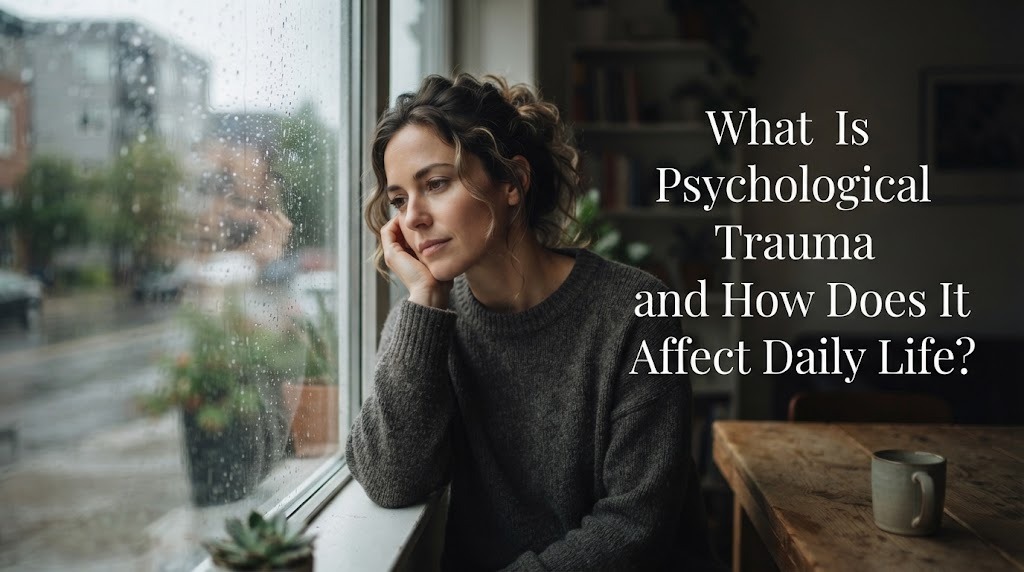
Psychological trauma is an emotional response that can develop after a person experiences or witnesses a frightening, dangerous, or deeply distressing event. Traumatic experiences may include serious accidents, violence, abuse, natural disasters, sudden loss, or other events that make someone feel helpless or unsafe. Not everyone who experiences trauma will develop a mental health disorder, and many people gradually recover with time and support. However, some people may continue to experience symptoms that affect their thoughts, emotions, relationships, and daily activities. Understanding psychological trauma can help people recognize its effects and know when additional support may be needed.
WHAT IS PSYCHOLOGICAL TRAUMA?
Psychological trauma refers to the emotional and psychological impact of an event that feels extremely threatening, frightening, or overwhelming. A traumatic experience can affect how a person understands safety, relationships, and the world around them. The response may appear immediately after the event or become more noticeable later. Common reactions include fear, sadness, anger, difficulty sleeping, trouble concentrating, and repeatedly thinking about what happened. According to the National Institute of Mental Health, many people experience temporary reactions after trauma and gradually recover over time.
Trauma does not affect everyone in the same way. Two people who experience a similar event may have very different emotional responses. Previous experiences, available social support, ongoing stress, and other personal factors can influence how someone responds to trauma. Therefore, experiencing strong emotions after a traumatic event does not automatically mean that a person has post-traumatic stress disorder or PTSD.
COMMON CAUSES OF PSYCHOLOGICAL TRAUMA
Psychological trauma can result from many different experiences. Serious accidents, physical or sexual violence, abuse, natural disasters, war, and other dangerous situations are examples of events that may cause traumatic stress. A person may also experience trauma after witnessing someone else being seriously injured or harmed. In some situations, repeated or ongoing exposure to frightening circumstances can have a significant psychological impact.
The meaning of an event to the individual can also influence the emotional response. An experience that seems manageable to one person may feel extremely threatening to another. Children and teenagers may also respond differently from adults, sometimes showing changes in behavior rather than clearly explaining their emotions. This is why trauma should be understood based on the person's experience rather than judged only from the outside.
WHAT ARE THE COMMON SYMPTOMS OF TRAUMA?
People can experience many different reactions after a traumatic event. Some may feel anxious, sad, angry, guilty, or emotionally numb. Others may have nightmares, unwanted memories, difficulty concentrating, sleep problems, or become easily startled. A person may also avoid places, people, conversations, or activities that remind them of the traumatic event.
These reactions can affect both emotional and physical well-being. Someone may experience a racing heart, sweating, muscle tension, headaches, or stomach problems when reminded of the event. However, having some of these symptoms after trauma does not automatically mean that someone has PTSD. Professional assessment is needed when symptoms persist, become severe, or significantly interfere with daily life.
HOW CAN TRAUMA AFFECT DAILY ACTIVITIES?
Psychological trauma can make ordinary activities feel difficult or stressful. A person may struggle to concentrate while studying, working, or completing household responsibilities. Sleep problems can also reduce energy and make it harder to manage emotions during the day. Some people may avoid driving, visiting certain places, attending social events, or participating in activities that remind them of the traumatic experience.
These difficulties can gradually change a person's routine. Someone who previously enjoyed meeting friends may begin spending more time alone. A student may find it difficult to focus on assignments, while an employee may struggle with concentration or attendance. When these problems become persistent, they can affect independence, productivity, relationships, and overall quality of life.
HOW DOES TRAUMA AFFECT EMOTIONAL HEALTH?
Trauma can influence how a person feels about themselves and the world around them. Some people may develop persistent fear, guilt, shame, anger, or sadness after a traumatic experience. Others may lose interest in activities they previously enjoyed or feel emotionally disconnected from people close to them. These changes can make everyday situations feel less safe or predictable.
A person may also become more alert to possible danger. Loud sounds, certain smells, places, words, or situations may trigger memories of the traumatic event. This can cause a strong emotional or physical reaction even when the person is no longer in immediate danger. Understanding these reactions can help family members and friends respond with patience rather than assuming that the person is simply overreacting.
HOW DOES TRAUMA AFFECT RELATIONSHIPS?
Trauma can change the way a person interacts with family members, friends, partners, classmates, or coworkers. Some people may withdraw from others because they feel uncomfortable, unsafe, or emotionally exhausted. Others may become more irritable or have difficulty trusting people after what they experienced. These changes can create misunderstandings when people around them do not understand the effects of trauma.
Social support can nevertheless play an important role in recovery. Trusted family members and friends can provide emotional support, listen without forcing the person to talk, and help maintain healthy routines. The World Health Organization notes that feeling supported by family, friends, or other people after a potentially traumatic event can reduce the risk of developing PTSD.
WHEN CAN TRAUMA DEVELOP INTO PTSD?
Not everyone who experiences trauma develops PTSD. PTSD may be considered when symptoms persist and are severe enough to cause significant distress or interfere with important areas of life. Symptoms can include repeatedly reliving the event, avoiding reminders, feeling constantly alert to danger, and experiencing negative changes in thoughts or mood. A mental health professional is needed to determine whether symptoms meet the criteria for PTSD.
Symptoms of PTSD may begin soon after a traumatic event, although they can also appear later. NIMH notes that for a PTSD diagnosis, symptoms must last for more than one month and interfere with areas such as relationships or work. The course can vary considerably from person to person. This means that someone should not diagnose themselves simply by comparing their experiences with a list of symptoms online.
HOW CAN PSYCHOLOGICAL TRAUMA BE MANAGED?
Recovery from psychological trauma can involve emotional support, healthy routines, and professional treatment when necessary. Maintaining regular sleep, eating habits, physical activity, and social connections can support overall well-being. A person can also use stress management techniques such as breathing exercises or other activities that help them feel calmer. It is generally recommended to avoid using alcohol or illegal drugs as a way to manage trauma symptoms because they can make problems worse.
When symptoms continue or significantly affect daily life, professional help can be important. Psychologists, psychiatrists, doctors, and other qualified mental health professionals can assess the person's condition and recommend appropriate treatment. Evidence-based treatments for PTSD include trauma-focused cognitive behavioral approaches and eye movement desensitization and reprocessing or EMDR. Treatment may also include medication depending on the individual's needs and professional assessment.
HOW CAN FAMILY AND FRIENDS PROVIDE SUPPORT?
Family members and friends can support someone with trauma by listening patiently and respecting their boundaries. They should avoid forcing the person to describe the traumatic event before they are ready. Simple support, such as spending time together, helping with daily routines, or offering to accompany them to a health professional, can be useful. It is also important to avoid blaming the person or telling them to simply forget what happened.
Support should focus on creating a sense of safety and trust. People recovering from trauma may need time before they feel comfortable discussing their experiences. Encouraging appropriate professional help can also be useful when symptoms become persistent or disruptive. According to NIMH, emotional support, understanding, patience, and encouragement can be important parts of helping someone with PTSD.
WHY IS EARLY SUPPORT IMPORTANT?
Early support can help a person feel less isolated after a traumatic experience. Having trusted people nearby may provide emotional stability while the person adjusts to what happened. It can also make it easier for them to recognize when they need additional professional assistance. However, early support does not mean forcing someone to recover quickly or immediately discuss the traumatic event.
Professional assistance becomes especially important when symptoms do not improve over time or begin interfering with everyday responsibilities. NIMH recommends seeking professional help when trauma-related symptoms do not improve or start affecting daily life. Appropriate treatment can help people manage symptoms and gradually regain control over their routines and relationships.
CONCLUSION
Psychological trauma is a serious emotional response that can occur after frightening, dangerous, or deeply distressing experiences. Its effects can influence emotions, sleep, concentration, relationships, work, education, and everyday routines. Not everyone who experiences trauma develops PTSD, and many people gradually recover with time, support, and healthy coping strategies. However, persistent or severe symptoms that interfere with daily life should be discussed with a qualified mental health professional. Understanding psychological trauma and responding with patience and appropriate support can help create a safer path toward recovery.
Tentang Penulis
Gusti Ayu Tita P
Penulis — Universitas STEKOM
Penulis aktif yang berfokus pada isu-isu akademik, teknologi pendidikan, dan pengembangan sumber daya manusia di lingkungan kampus.















