
What Is the Connection Between Psychological Trauma and Emotional Regulation?
Gusti Ayu Tita P
21 September 2026
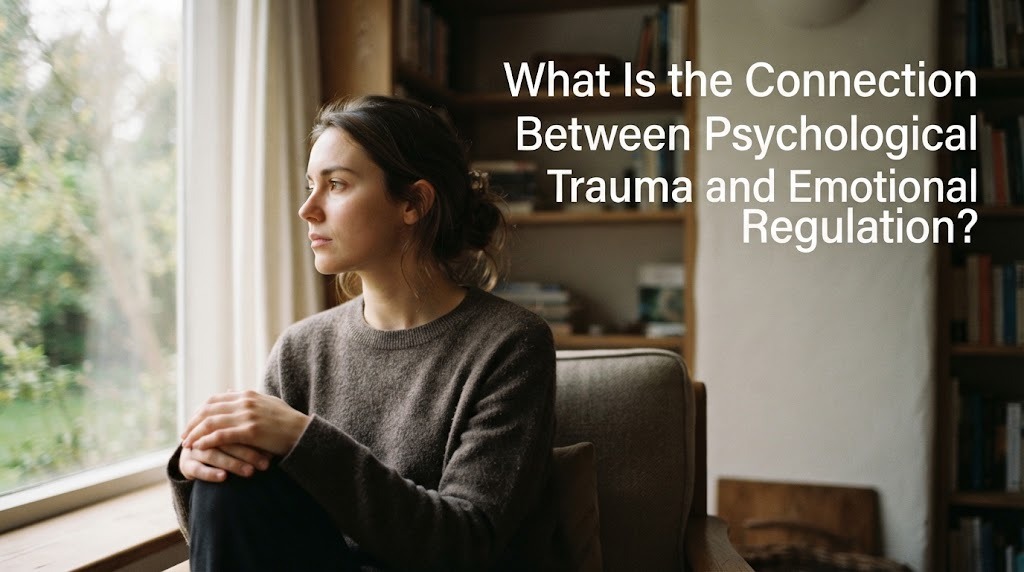
Psychological trauma can affect many parts of a person's emotional and psychological life, including the ability to regulate emotions. Emotional regulation refers to the ability to understand, manage, and respond to emotions in a healthy and appropriate way. After a traumatic experience, some people may find it harder to calm themselves, control emotional reactions, or understand what they are feeling. Understanding this connection can help people recognize trauma responses and seek appropriate support.
HOW PSYCHOLOGICAL TRAUMA AFFECTS EMOTIONAL REGULATION
A traumatic experience can make the brain and body more sensitive to perceived danger. As a result, a person may react strongly to situations that remind them of the original experience, even when there is no immediate threat. Fear, anger, sadness, or anxiety may appear suddenly and feel difficult to control. These reactions can make ordinary situations seem more emotionally overwhelming.
Trauma can also affect the ability to return to a calm emotional state after becoming upset. Someone may remain tense or distressed long after the triggering situation has ended. This does not mean the person is intentionally overreacting. It can be part of how the body responds after experiencing significant stress.
COMMON SIGNS OF EMOTIONAL REGULATION DIFFICULTIES
Difficulty regulating emotions can appear in different ways. A person may experience sudden anger, frequent crying, intense fear, irritability, or emotional reactions that feel stronger than expected. Others may struggle to identify their emotions or explain why they suddenly feel upset. These changes can affect communication, decision making, and relationships.
Some people may respond in the opposite way by feeling emotionally numb or disconnected. They may have difficulty experiencing happiness, sadness, or other emotions normally. Emotional numbness can also make it harder to recognize when support is needed.
THE ROLE OF TRAUMA TRIGGERS
Trauma triggers are reminders that can bring back emotional or physical reactions connected to a difficult experience. A trigger may be a sound, smell, location, conversation, image, or situation that resembles something associated with the trauma. The person's emotional response may occur quickly, sometimes before they consciously understand what caused it.
When triggers repeatedly activate strong emotional reactions, everyday activities can become more difficult. A person may begin avoiding certain places or situations to prevent distress. Recognizing triggers can help a person understand their reactions, while professional guidance can help them develop safer and healthier ways to manage those responses.
HOW EMOTIONAL REGULATION PROBLEMS AFFECT DAILY LIFE
Difficulty managing emotions can influence school, work, family life, friendships, and other daily responsibilities. A person may have trouble concentrating because strong emotions or unwanted memories occupy their attention. They may also become more easily frustrated during conversations or misunderstandings. Over time, these difficulties can create additional stress and affect relationships.
Sleep can also be affected when emotional distress remains high. Poor sleep may then increase irritability, tiredness, and difficulty concentrating during the day. This can create a cycle in which emotional stress and daily challenges make each other harder to manage.
HEALTHY WAYS TO IMPROVE EMOTIONAL REGULATION
Developing a stable daily routine can support emotional regulation after trauma. Regular sleep, balanced meals, physical activity, and time for relaxation can help support overall wellbeing. Simple techniques such as slow breathing, grounding exercises, or taking a short break from a stressful situation may also help a person regain a sense of calm.
It is important to choose coping strategies that feel safe and realistic. Writing down emotions, talking with a trusted person, or engaging in enjoyable activities can provide additional support. These strategies may help manage symptoms, but they should not be considered a replacement for professional treatment when symptoms are severe or persistent.
THE IMPORTANCE OF PROFESSIONAL SUPPORT
Professional support can be useful when trauma-related emotional difficulties continue or significantly interfere with daily life. A psychologist, psychiatrist, or other qualified mental health professional can assess the person's symptoms and help identify appropriate treatment options. Psychological therapy may help a person understand trauma responses and develop healthier emotional regulation skills.
There is no single recovery timeline that applies to everyone. Some people improve gradually, while others may need longer-term support. Seeking professional help does not mean that someone is weak; it can be a practical step toward managing difficult symptoms and improving daily functioning.
CONCLUSION
Psychological trauma and emotional regulation can be closely connected because traumatic experiences may change how a person responds to stress, fear, and emotional triggers. Some people may experience intense emotions, difficulty calming down, irritability, anxiety, or emotional numbness. These reactions can affect relationships, concentration, sleep, and everyday activities. With supportive relationships, healthy coping strategies, and professional help when needed, people can gradually develop better ways to understand and manage their emotions.
Tentang Penulis
Gusti Ayu Tita P
Penulis — Universitas STEKOM
Penulis aktif yang berfokus pada isu-isu akademik, teknologi pendidikan, dan pengembangan sumber daya manusia di lingkungan kampus.















