What Mistakes Should You Avoid During Disaster Evacuation?
Gusti Ayu Tita P
19 September 2026
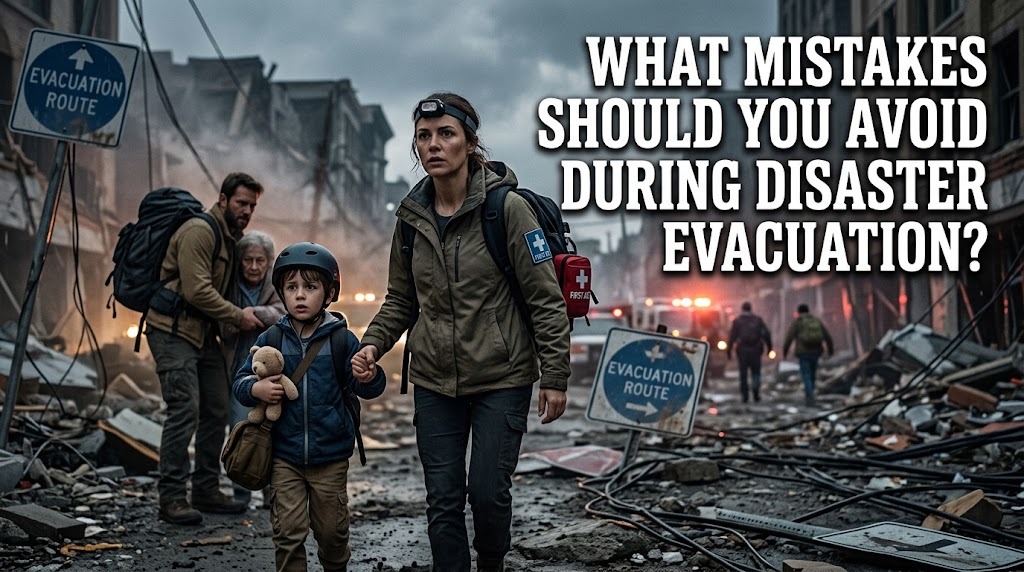
A disaster evacuation requires people to make quick and careful decisions in a stressful situation. Fear, confusion, and a lack of preparation can cause people to make mistakes that increase their risks. Understanding common evacuation mistakes can help individuals and families respond more safely during emergencies. Proper preparation and attention to official instructions are important parts of an effective evacuation.
IGNORING OFFICIAL EVACUATION WARNINGS
One of the most serious mistakes is ignoring an official evacuation warning. Some people may wait because they believe the situation is not dangerous yet or expect the warning to end quickly. However, disaster conditions can change rapidly, and waiting too long may make evacuation more difficult.
When authorities issue an evacuation order, people should follow the instructions and move toward the recommended safe location. Do not rely only on personal assumptions about whether an area is safe. Official warnings should be taken seriously, especially when they provide specific instructions about affected areas and evacuation routes.
FOLLOWING RUMORS OR UNVERIFIED INFORMATION
Another common mistake is trusting rumors or unverified information during an emergency. Social media and messaging platforms can spread information very quickly, but not every message is accurate. Incorrect information may cause people to choose unsafe routes, ignore official warnings, or become unnecessarily frightened.
Instead, check information through official emergency agencies, local authorities, or other trusted sources. If different messages appear online, avoid immediately sharing information that has not been verified. Reliable information helps people make safer decisions when conditions are changing quickly.
RETURNING FOR UNNECESSARY BELONGINGS
People may be tempted to return home or enter a dangerous building to collect personal belongings. This can be especially risky if the structure has been damaged or if hazards such as fire, floodwater, smoke, or unstable ground are present. Important possessions should not take priority over personal safety.
Once you have evacuated, remain in the designated safe area and follow further instructions. Do not return until authorized personnel confirm that the area is safe. Leaving belongings behind is safer than returning to an active hazard.
USING UNSAFE ROUTES OR TAKING SHORTCUTS
Taking an unfamiliar shortcut may seem faster, but it can lead people toward dangerous or restricted areas. Roads may be blocked by debris, floodwater, damaged structures, fallen objects, or other hazards. A route that is normally safe may also become dangerous during a disaster.
Use designated evacuation routes whenever possible and follow instructions from emergency personnel. If the main route is blocked, use an alternative route that has been identified as safe or follow updated official directions. The safest route is more important than the fastest route.
PANICKING OR SEPARATING FROM THE GROUP
Panic can cause people to run without thinking, push others, or move away from their family or evacuation group. These actions can create additional confusion and make it harder to keep track of everyone. People should try to remain calm and stay together whenever possible.
Families should establish meeting points before a disaster occurs in case members become separated. Adults should pay particular attention to children, elderly people, and anyone who needs additional assistance. Clear communication and simple instructions can help reduce confusion during evacuation.
WAITING TOO LONG TO PREPARE
A common mistake is preparing only after a disaster has already started. Searching for emergency supplies, deciding where to go, or discussing evacuation routes at the last moment can waste valuable time. Preparation should happen before an emergency occurs.
Families should prepare emergency kits, identify evacuation routes, choose meeting points, and keep important contact information available. It is also useful to practice evacuation procedures so everyone understands the basic plan. Advance preparation can reduce confusion and support faster decision-making during an emergency.
CONCLUSION
Avoiding common mistakes can make disaster evacuation safer and more organized. People should not ignore official warnings, follow unverified information, return for unnecessary belongings, or use unsafe shortcuts. Staying calm, remaining with the group, and following designated evacuation routes can also reduce unnecessary risks. Most importantly, families and communities should prepare before a disaster happens instead of waiting until an emergency begins. Good preparation and reliable information can help people respond more effectively when evacuation becomes necessary.
Tentang Penulis
Gusti Ayu Tita P
Penulis — Universitas STEKOM
Penulis aktif yang berfokus pada isu-isu akademik, teknologi pendidikan, dan pengembangan sumber daya manusia di lingkungan kampus.