What Should You Do During a Fire Evacuation?
Gusti Ayu Tita P
19 September 2026
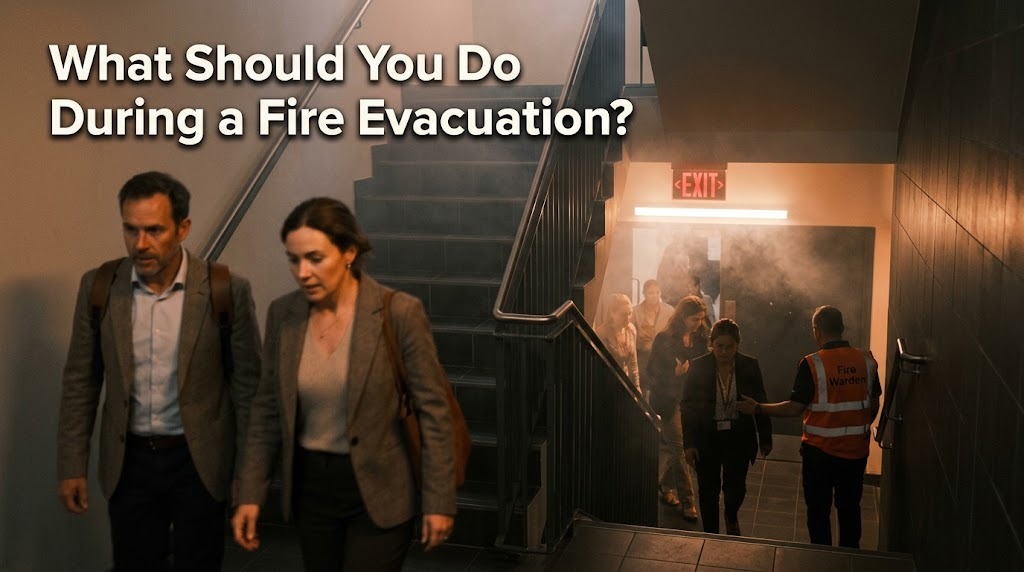
A fire can spread quickly and create dangerous conditions because of flames, smoke, heat, and damaged structures. Knowing what to do during a fire evacuation can help people leave a dangerous area more safely. The most important actions are to stay alert, follow the evacuation procedure, and move toward a safe location without unnecessary delays. Preparing before a fire occurs can also help people respond more effectively during an emergency.
RECOGNIZE THE FIRE WARNING
When a fire alarm sounds or someone gives a reliable warning about a fire, take it seriously. Do not ignore a fire alarm simply because you cannot immediately see flames or smoke. Fire can spread to other areas before it becomes obvious, so people should begin following the building's evacuation procedure as instructed.
Listen for announcements from emergency personnel and follow clearly marked exit signs. If you discover a fire and it is safe to do so, alert people nearby and activate the appropriate alarm system. Early warning gives people more time to evacuate before conditions become more dangerous.
LEAVE THE BUILDING USING A SAFE EXIT
During a fire evacuation, use the nearest safe exit and follow the building's emergency procedures. Do not use elevators unless emergency personnel specifically instruct you to do so. Elevators may become unsafe during a fire because of power failures, smoke, or other emergency conditions.
Stay calm while moving toward the exit and avoid pushing other people. If the usual exit is blocked by fire or smoke, use another available safe exit. Never enter an area filled with smoke or flames simply because it appears to be the shortest route.
STAY LOW IF THERE IS SMOKE
Smoke can make it difficult to see and breathe and may spread through a building quickly. If smoke is present, stay as low as possible while moving toward a safe exit, following established fire safety guidance. Avoid opening doors that feel unusually hot, as this can indicate dangerous conditions on the other side.
Do not spend time trying to collect personal belongings when smoke or fire is present. Your priority should be reaching a safe location as quickly as possible. Property can be replaced, but personal safety must come first during a fire emergency.
HELP CHILDREN AND PEOPLE WHO NEED ASSISTANCE
During an evacuation, pay attention to children, elderly people, and people with disabilities who may need additional assistance. Adults should give clear instructions and help others follow the evacuation route when it is safe to do so. Children should be encouraged to stay with a trusted adult instead of moving away from the group.
However, never put yourself in serious danger while attempting to assist someone. If a person cannot safely evacuate, inform emergency responders about their location. Professional emergency personnel are trained to handle dangerous rescue situations and can provide appropriate assistance.
DO NOT RETURN FOR BELONGINGS
Once you have safely left a building, do not go back inside to retrieve phones, bags, documents, pets, or other belongings unless emergency personnel have officially confirmed that it is safe. Fire conditions can change rapidly, and a building may become more dangerous after evacuation begins.
Go directly to the designated assembly area and remain there. This allows emergency personnel to identify people who have evacuated and determine whether anyone may still be inside. Following the assembly procedure helps emergency responders work more effectively.
FOLLOW THE EVACUATION ASSEMBLY PROCEDURE
After leaving the building, move to the designated assembly point. Stay away from entrances and areas where emergency vehicles need to operate. Do not leave the assembly area without informing the responsible person or following further instructions.
Remain there until authorities or designated emergency personnel provide additional information. Even if the fire appears to be under control, there may still be smoke, heat, structural damage, or other hazards. Only return when authorized personnel confirm that it is safe.
PREPARE FOR FIRE EMERGENCIES IN ADVANCE
Fire safety begins before an emergency occurs. Families, schools, and workplaces should know their fire exits, alarm procedures, and assembly points. Emergency routes should remain clear so people can leave quickly when necessary.
It is also useful to practice evacuation drills so everyone becomes familiar with the procedure. During a drill, pay attention to possible problems such as blocked exits or confusion about the meeting point. Regular practice can improve evacuation readiness and help people respond more calmly during a real fire.
CONCLUSION
During a fire evacuation, people should respond to warnings immediately, use a safe exit, avoid smoke and flames, and follow official instructions. Do not use elevators unless emergency personnel direct you to do so, and never return to a burning or potentially unsafe building for belongings. Help children and people who need assistance when it is safe, while avoiding unnecessary personal risk. After reaching the assembly point, remain there until authorities confirm that further movement is safe. Preparing and practicing fire evacuation procedures in advance can make emergency responses more organized and effective.
Tentang Penulis
Gusti Ayu Tita P
Penulis — Universitas STEKOM
Penulis aktif yang berfokus pada isu-isu akademik, teknologi pendidikan, dan pengembangan sumber daya manusia di lingkungan kampus.