
What Should You Prepare for a Career in the Tourism Industry?
Gusti Ayu Tita P
22 September 2026
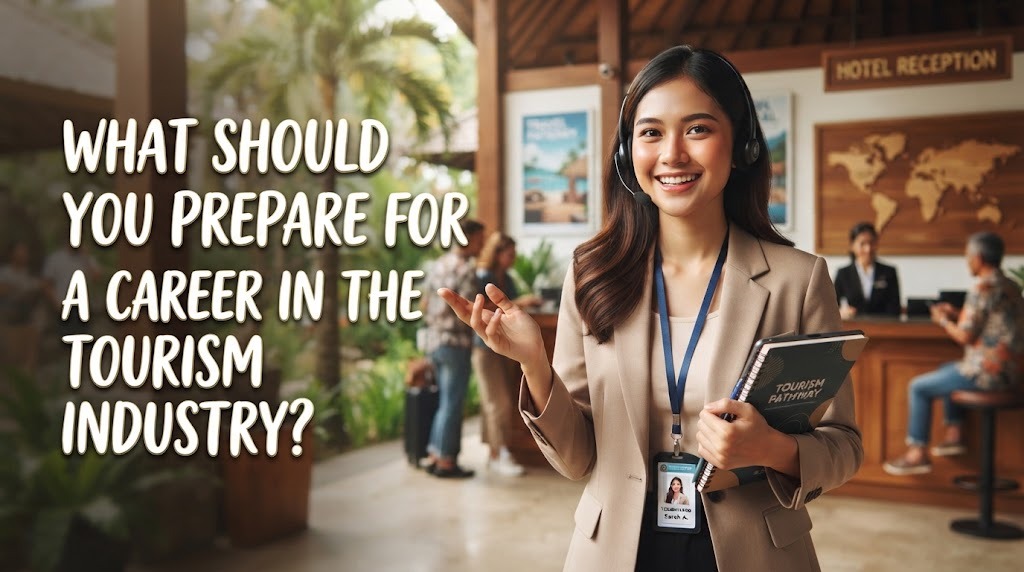
The tourism industry offers many career opportunities for people who enjoy meeting others, exploring destinations, and providing memorable experiences. Jobs in this industry can include tour guides, hotel staff, travel consultants, content creators, event workers, and tourism managers. However, having an interest in traveling alone is not enough to build a successful career. Proper preparation and relevant skills are important for entering and developing in the tourism industry.
Tourism continues to involve communication, technology, creativity, and customer service. Workers may need to communicate with people from different backgrounds and adapt to changing situations. They also need to understand the destinations, services, and customers they work with. Preparing these abilities can help someone become more confident and professional in the workplace.
UNDERSTANDING THE TOURISM INDUSTRY
The first preparation is to understand how the tourism industry works. Tourism involves many sectors, including hotels, transportation, restaurants, travel agencies, attractions, and destination management. Learning about these sectors can help you identify which career area matches your interests and abilities. It also gives you a clearer picture of the responsibilities involved in different tourism jobs.
Understanding the industry can be developed through education, research, internships, and practical experiences. You can learn about tourism trends, popular destinations, customer behavior, and travel services. Following information about the industry can also help you understand how technology is changing tourism. This knowledge can become a useful foundation before entering the professional world.
DEVELOPING COMMUNICATION SKILLS
Communication is one of the most important skills in tourism. Tourism workers regularly interact with customers, colleagues, business partners, and local communities. They need to explain information clearly and respond to questions politely. Good communication can help create positive experiences for tourists and improve cooperation among workers.
Communication also involves listening carefully. Understanding what customers need can help workers provide more suitable services. In addition, workers may need to communicate with people from different cultures and backgrounds. Developing respectful and flexible communication habits can therefore become an important preparation for a tourism career.
IMPROVING FOREIGN LANGUAGE ABILITIES
Foreign language skills can provide additional opportunities in the tourism industry. English is widely used in international tourism, especially when communicating with foreign visitors. Workers who can communicate in another language may be able to serve a wider range of customers. Language skills can also make professional communication more confident and effective.
Learning a language requires regular practice rather than memorization alone. You can practice through conversations, listening exercises, reading tourism materials, and watching educational videos. Learning common expressions related to hotels, transportation, directions, and tourist attractions can also be useful. The more frequently you practice, the easier it becomes to communicate naturally.
LEARNING DIGITAL AND TECHNOLOGY SKILLS
Technology has become an important part of modern tourism. Tourists use websites, social media, maps, online booking platforms, and digital payment systems when planning their trips. Tourism businesses also use digital platforms to promote destinations and communicate with customers. Therefore, digital skills can provide an advantage for people preparing for tourism careers.
Basic skills such as creating digital content, managing social media, editing photos or videos, and using online communication tools can be useful. Understanding digital marketing can also help tourism businesses reach potential customers. Technology continues to develop, so workers should be willing to learn new tools. Continuous learning can help tourism professionals remain adaptable in a changing industry.
BUILDING CUSTOMER SERVICE SKILLS
Customer service is closely connected to the tourism experience. Tourists expect clear information, friendly assistance, and professional treatment during their journey. Workers should be able to respond to customer needs while maintaining a polite and helpful attitude. Customer service skills can influence how visitors remember a destination or tourism business.
Problems can sometimes occur during travel, such as schedule changes, misunderstandings, or service complaints. Tourism workers need to remain calm and focus on finding practical solutions. Learning how to handle complaints respectfully can improve professional performance. These experiences can also develop patience, responsibility, and problem-solving abilities.
GAINING PRACTICAL EXPERIENCE AND PROFESSIONAL ATTITUDE
Practical experience can help prepare someone for the real conditions of the tourism industry. Internships, volunteer activities, part-time work, school projects, and tourism events can provide opportunities to practice professional skills. Through these experiences, you can learn how to work with different people and complete tasks according to deadlines. Real-world experience can also help you understand your strengths and areas that need improvement.
A professional attitude is equally important. Being punctual, responsible, adaptable, and willing to learn can create a positive impression in the workplace. Teamwork is also necessary because tourism services often involve cooperation between different departments and professionals. By combining practical experience with a strong work attitude, you can become better prepared for a career in tourism.
CONCLUSION
Preparing for a career in the tourism industry requires more than simply enjoying travel. You need to understand the industry, develop communication and language skills, learn digital technology, and improve customer service abilities. Practical experience can help transform these skills into useful workplace abilities. Continuous learning and professional behavior can support long-term development in the tourism industry.
Tentang Penulis
Gusti Ayu Tita P
Penulis — Universitas STEKOM
Penulis aktif yang berfokus pada isu-isu akademik, teknologi pendidikan, dan pengembangan sumber daya manusia di lingkungan kampus.















