Why Are Early Warning Systems Important for Disaster Evacuation?
Gusti Ayu Tita P
19 September 2026
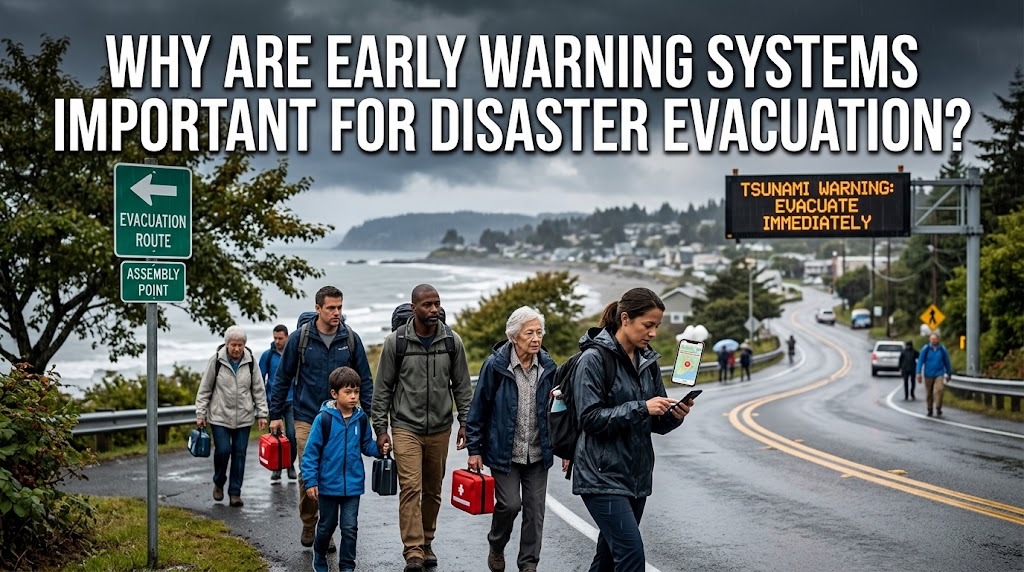
Early warning systems play an important role in helping people prepare for disasters and evacuate from dangerous areas. Some disasters can develop quickly, giving people only a limited amount of time to respond. An effective warning can provide important information before conditions become more dangerous. By receiving a warning early, individuals, families, and communities can make better decisions and move toward safer locations.
PROVIDE INFORMATION BEFORE DANGER INCREASES
The main purpose of an early warning system is to provide information about a potential or developing hazard. Warnings may relate to events such as floods, tsunamis, severe weather, volcanic activity, or other hazards. The information can help people understand that they may need to prepare or evacuate.
A warning is most useful when it is received early enough for people to take appropriate action. It should provide clear information about the hazard, affected areas, and recommended actions when available. Clear and timely information can reduce uncertainty and help people respond more effectively.
GIVE PEOPLE TIME TO EVACUATE
One of the most important benefits of early warnings is that they can provide additional time for evacuation. People may need time to collect essential emergency supplies, assist children or elderly family members, and travel to a designated safe location. Without sufficient warning, people may have difficulty completing these actions safely.
Early warnings can also help reduce last-minute movement and confusion. Families that already have an evacuation plan can use the warning as a signal to begin following their prepared procedures. Preparation combined with timely warnings can make evacuation more organized.
HELP COMMUNITIES MAKE QUICK DECISIONS
Early warning systems can support community decision-making during emergencies. Local authorities can use available information to determine whether certain areas need to be evacuated or whether additional emergency measures are necessary. Residents can then receive instructions about evacuation routes, shelters, or other safety actions.
Community organizations can also help communicate official warnings to people who may have difficulty receiving information directly. This can include people with limited access to digital communication or residents who need information in an accessible format. Coordinated communication helps ensure that warnings reach more people.
USE DIFFERENT COMMUNICATION CHANNELS
Early warnings can be delivered through multiple communication channels, such as emergency alerts, sirens, radio, television, official websites, text messages, and public announcements. Using different channels can make it more likely that people receive important information even if one communication method is unavailable.
However, people should pay attention to the source of the warning. Official information from trusted authorities should be prioritized over rumors or unverified social media posts. Reliable communication is essential because incorrect information can cause people to evacuate unnecessarily or move toward dangerous areas.
MAKE WARNINGS CLEAR AND ACTIONABLE
An effective warning should be easy to understand and provide clear instructions. People need to know what hazard is occurring, which areas may be affected, how urgent the situation is, and what action they should take. Simply announcing that a disaster may occur may not be enough if people do not understand what they should do next.
Warnings should also consider people with different needs. Children, elderly people, people with disabilities, and people who speak different languages may require accessible forms of information. Clear and inclusive warnings can help more people respond appropriately during an emergency.
PREPARE BEFORE A WARNING IS RECEIVED
An early warning system works best when people already have a disaster preparedness plan. Families should know their evacuation routes, meeting points, emergency contacts, and essential supplies before a warning is issued. Communities should also understand local evacuation procedures and designated safe areas.
People should avoid waiting until the last moment to decide what to do. When an official evacuation order is given, follow the instructions and move toward the recommended safe location. Early warnings provide information, but preparedness determines how effectively people can act on that information.
CONCLUSION
Early warning systems are important because they can provide timely information, give people more time to evacuate, and support coordinated emergency decisions. Warnings are most effective when they come from reliable sources and provide clear instructions about what people should do. Communities and families should prepare evacuation plans before an emergency occurs so they can respond quickly when a warning is received. By combining early warnings with proper preparedness and cooperation, people can respond to disasters in a more organized and safer way.
Tentang Penulis
Gusti Ayu Tita P
Penulis — Universitas STEKOM
Penulis aktif yang berfokus pada isu-isu akademik, teknologi pendidikan, dan pengembangan sumber daya manusia di lingkungan kampus.