
Why Is Understanding Frustration Important for Emotional Wellbeing?
Gusti Ayu Tita P
21 September 2026
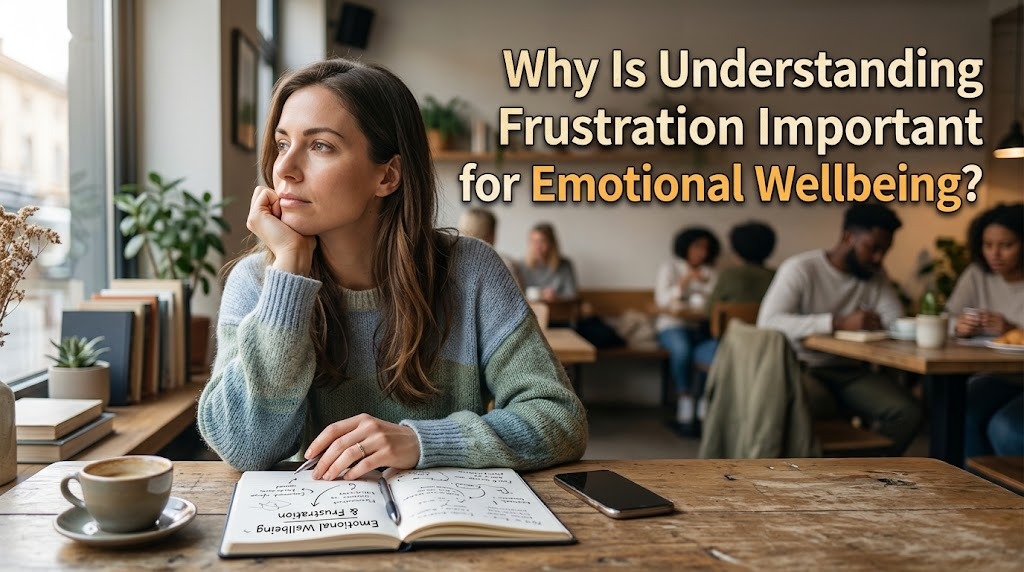
Frustration is a normal emotional response that can occur when someone faces obstacles, unmet expectations, failure, or situations that do not go according to plan. Everyone can experience frustration at different times, but the way a person understands and responds to it can influence everyday emotional wellbeing. Recognizing frustration does not mean eliminating difficult emotions, but learning what those emotions may be communicating.
Understanding frustration and emotional wellbeing can help someone become more aware of their emotional responses. When a person can identify what triggers frustration and how it affects their thoughts or behavior, it may become easier to choose a healthy response. This awareness can support better emotional management when facing challenges.
UNDERSTANDING FRUSTRATION HELPS RECOGNIZE EMOTIONS
The first benefit of understanding frustration is becoming more aware of what is happening emotionally. A person may experience irritation, disappointment, impatience, or reduced motivation without immediately realizing that frustration is behind these feelings. Identifying the emotion can provide a clearer picture of what may be causing the response.
Emotional awareness can also help separate feelings from actions. Feeling frustrated is different from deciding how to respond to that frustration. By recognizing the emotion before reacting, a person may have more opportunity to pause and consider an appropriate response to the situation.
FRUSTRATION CAN SIGNAL THAT SOMETHING NEEDS ATTENTION
Frustration can sometimes indicate that a person is facing an obstacle, unrealistic expectation, communication problem, or situation that needs to be reconsidered. For example, repeated frustration with a task may suggest that the instructions are unclear or that the current approach is not working effectively. In this way, frustration can provide useful information about a problem.
Paying attention to these signals can support better problem solving. Instead of simply trying to ignore the feeling, someone can ask what is creating the frustration and whether anything can be changed. This approach can turn an emotional response into an opportunity to understand the situation more clearly.
UNDERSTANDING FRUSTRATION HELPS MANAGE RESPONSES
When someone understands their frustration, it can become easier to choose how to respond. A person may decide to take a short break, adjust expectations, communicate a concern, or divide a difficult task into smaller steps. These actions can help prevent temporary emotions from influencing behavior too strongly.
Good emotional management does not require someone to remain calm in every situation. Difficult emotions are a normal part of life, and learning to manage them takes practice. The important part is developing healthy ways to recognize emotions and respond to challenges without allowing frustration to control every action.
BUILDING BETTER ABILITY TO HANDLE CHALLENGES
Understanding frustration can also support a person's ability to deal with future difficulties. When someone learns from previous emotional experiences, they may become more familiar with their own triggers and responses. This can make it easier to recognize frustration earlier when a similar situation occurs.
A person can also develop more flexible expectations and practical coping strategies over time. Seeking support from trusted people can be helpful when a problem feels difficult to handle alone. These habits can contribute to stronger emotional wellbeing and a more balanced approach to everyday challenges.
CONCLUSION
Understanding frustration is important for emotional wellbeing because it helps people recognize emotions, identify problems, and choose healthier responses. Frustration can sometimes signal that a goal is blocked, expectations need adjustment, or a situation requires attention. Recognizing these signals can make everyday challenges easier to understand.
Learning to manage frustration is a gradual process that involves emotional awareness, realistic expectations, problem solving, and appropriate support. The goal is not to avoid frustration completely but to understand it and respond to it constructively. With better emotional management, people can develop healthier ways of handling challenges in everyday life.
Tentang Penulis
Gusti Ayu Tita P
Penulis — Universitas STEKOM
Penulis aktif yang berfokus pada isu-isu akademik, teknologi pendidikan, dan pengembangan sumber daya manusia di lingkungan kampus.















